We will help you to:
Ready to start your free trial?
- 1 Keep up to date with the latest health and social care research
- 2 Connect with experts and colleagues in your field of interest
- 3 Track your learning and contribute to your professional development
Membership Benefits
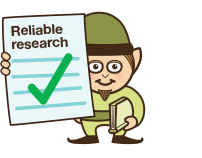
Keep up to date with the latest health and social care research
- We search thousands of sources to find new evidence-based research
- You receive bespoke email alerts of the evidence that matters most to you

Connect with experts and colleagues in your field of interest
- Join evidence-based journal clubs and interactive webinars
- Use cutting-edge technology to discuss the latest evidence
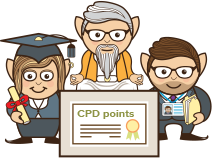
Track your learning and contribute to your professional development
- Create reflective practice notes to support your CPD/CME
- Download certificates for your professional development file
See the elves at work!
Latest research updates
 Visit the Commissioning Elf
 Visit the Dental Elf
 Visit the Learning Disabilities Elf
 Visit the Mental Elf
 Visit the Musculoskeletal Elf
 Visit the education Elf
 Visit the Social Care Elf
Please help save The Mental Elf
November 13, 2023 Visit the National Elf
Testimonials
-
This is an incredibly important channel bridging science and practice. It is objective and inclusive. It is a brilliant service to us all.
- Prof Louise Arseneault -

The Mental Elf is great ammunition for the next mental health revolution.
- Sir Muir Gray -
The Social Care Elf has quickly become one of the leading sources of bite-sized summaries of relevant, reliable social care research.
- Lyn Romeo -
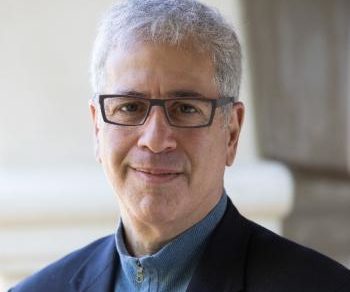
The Mental Elf is really the best thing for education in mental health and evidence-based treatment on the Internet right now. Fantastic, timely, thorough, unbiased work.
- Prof Michael Ostacher -

A terrific resource for busy mental health experts needing quick effective briefing about latest research and policy. Fills a major gap in a high quality and energising way.
- Prof Rachel Jenkins -

As someone working on the front-line of service provision and at an international policy level I really couldn't recommend this resource highly enough.
- Amelia Mustapha -

Mental Elf - You really do a wonderful job. Thank you for your special contribution.
- Sir Michael Marmot -
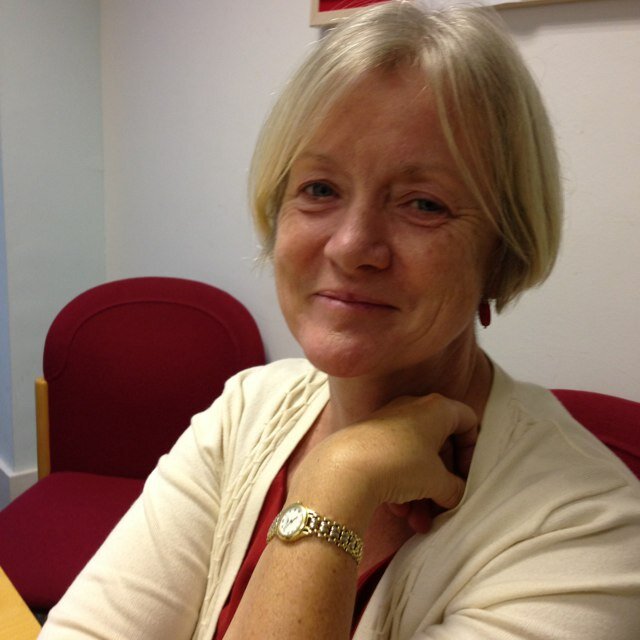
An invaluable resource
- Dr Geraldine Strathdee -

The Mental Elf is one of the best things on Twitter. I always enjoy and learn from its wonderfully informative, lively and balanced reviews
- Allen Frances MD